

Top Energy Storage Systems Examples from Leading Wholesale Manufacturers
As a professional in the energy storage sector, I understand the importance of reliable and efficient systems for your business needs. Energy Storage Systems, like lithium-ion batteries and flow batteries, can transform your operations by providing backup power and optimizing energy usage. Our wholesale offerings connect you directly with top manufacturers, ensuring you access the latest technology at competitive prices. Whether you're interested in grid storage, renewable energy integration, or backup solutions for commercial applications, we’ve got examples that can suit a variety of needs. By collaborating with leading manufacturers, we can tailor solutions that align with your operational requirements and budget. Let’s explore how these energy storage systems can enhance your energy strategy and improve your bottom line!

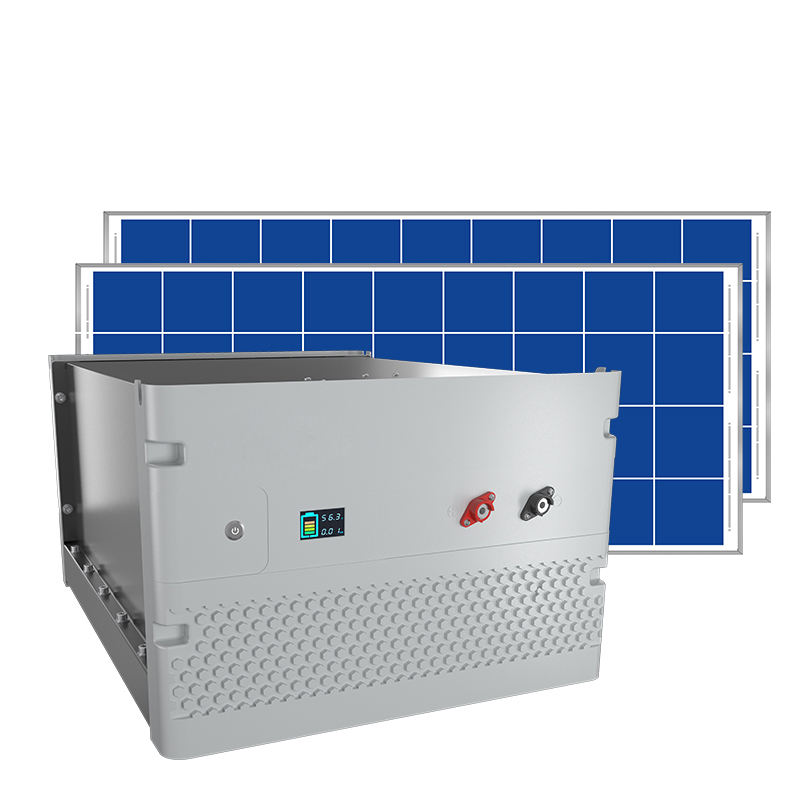


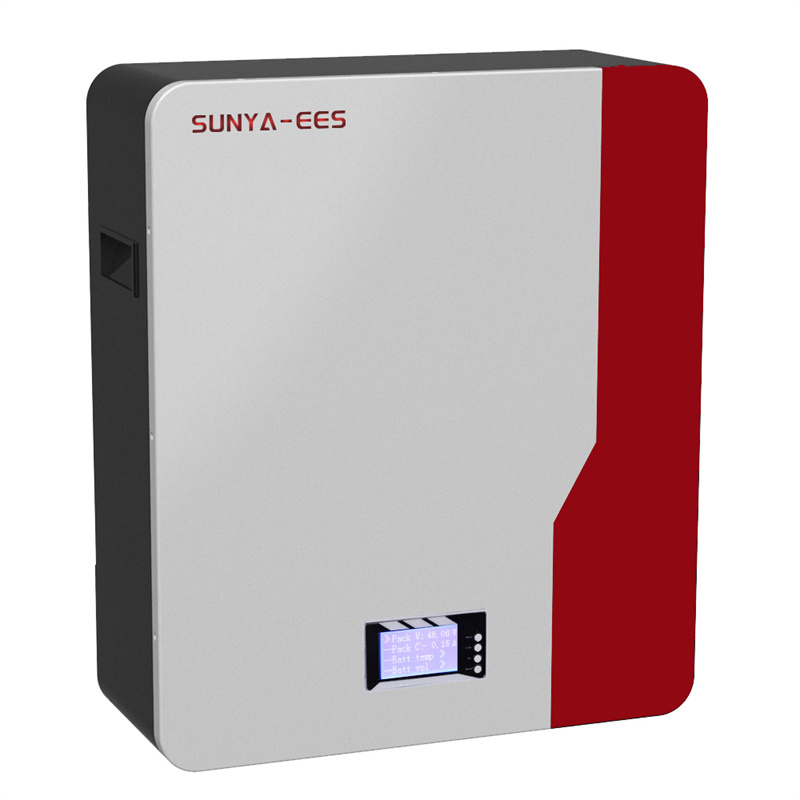

Energy Storage Systems Examples Factory-Direct Excellence Outperforms the Competition
Energy storage systems are becoming increasingly vital as the world shifts towards renewable energy sources. With the rise of solar and wind power, efficient energy storage solutions are key to ensuring a reliable energy supply. Factory-direct excellence in energy storage systems not only enhances performance but also offers significant advantages over competitors in the market. By eliminating middlemen, manufacturers can provide more competitive pricing and ensure the highest quality standards directly from the source. One notable example of advanced energy storage technology is lithium-ion batteries. These systems excel in various applications, from residential solar installations to large-scale commercial energy management. They offer high energy density, durability, and rapid charging capabilities, making them an ideal choice for modern energy needs. Additionally, integrating smart technology into these systems allows for enhanced monitoring and optimization, ensuring that users can maximize their energy efficiency and take full advantage of variable energy pricing. Factory-direct operations also enable innovation and customization. By working closely with clients, manufacturers can develop tailored solutions that meet specific energy requirements while keeping costs manageable. This responsiveness to customer needs helps businesses to stay ahead of the competition, ensuring they have reliable energy storage solutions that can scale with their growth. As energy demands continue to rise globally, choosing a manufacturer that prioritizes excellence and customer-centric service can make all the difference in securing a sustainable energy future.
Energy Storage Systems Examples Factory-Direct Excellence Outperforms the Competition
| Type | Capacity (kWh) | Discharge Rate (kW) | Cycle Life | Efficiency (%) | Applications |
|---|---|---|---|---|---|
| Lithium-ion | 10 | 5 | 3000 | 90 | Residential, Commercial |
| Lead-acid | 12 | 4 | 500 | 80 | Backup, UPS |
| Flow Battery | 50 | 10 | 5000 | 85 | Grid, Renewable Integration |
| Sodium-ion | 20 | 5 | 2000 | 80 | Electric Vehicles, Renewable Energy |
| Nickel-cadmium | 15 | 3 | 1500 | 75 | Industrial, Emergency Lighting |
Related Products


Energy Storage Systems Examples Factory Ahead of the Curve
Top Selling Products


- Related Blog
- Reviews

-

Phone
-

E-mail
-

WhatsApp
-

Linkedin


